A Review of Multidimensional Proximity Theory:Theoretical Evolution,Measurement Methods,and Applications in Information Science
|
Wan Fang, Master's Candidate; |
|
Chen Lu, Master's Candidate. |
Received date: 2026-04-13
Online published: 2026-08-31
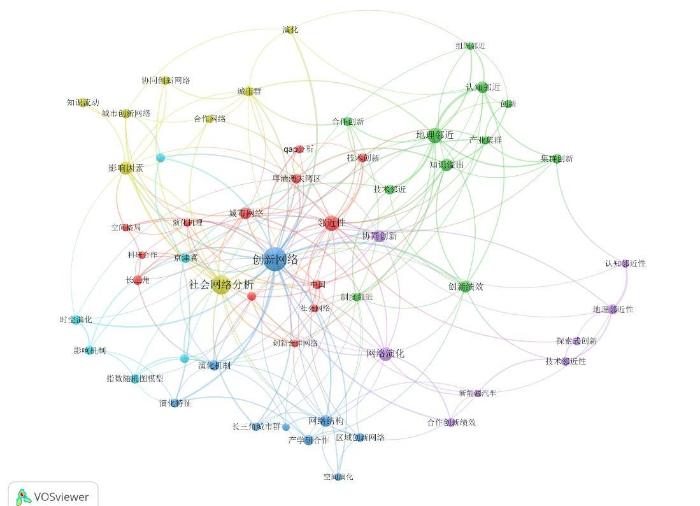
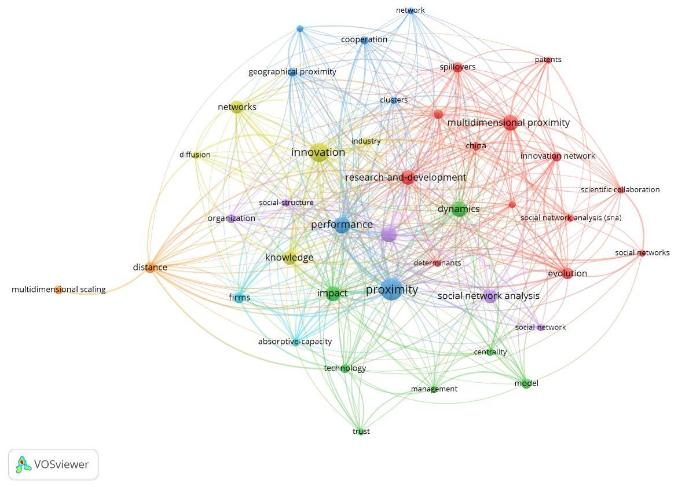
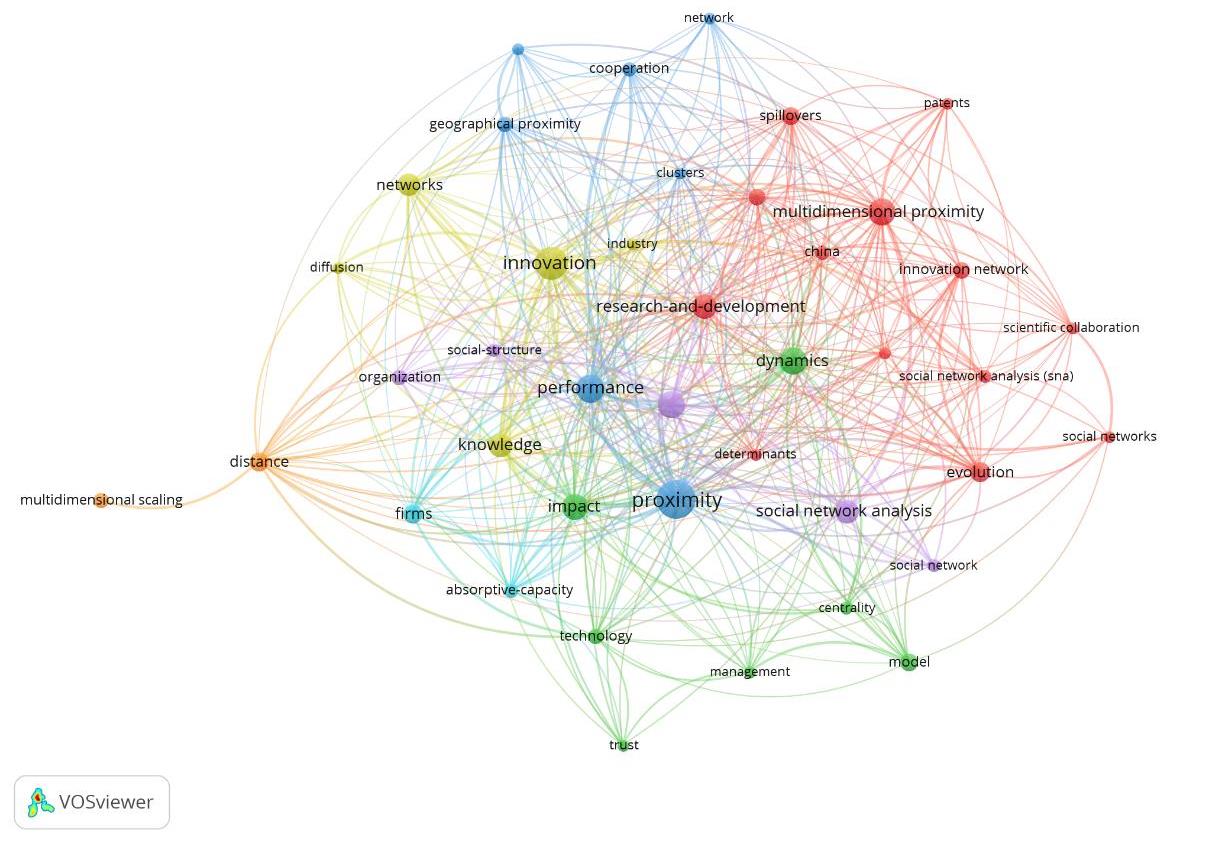
[Purpose/Significance] Addressing the dilemma where traditional single-dimensional geographic or attribute analyses fail to explain the absence of implicit knowledge connections (e.g., "geographic proximity without collaboration"), this paper aims to systematically review the logical evolution of multidimensional proximity theory—from a single dimension to a static five-dimensional framework, and further towards dynamic and contextualized paradigms. It also clarifies the existing system of measurement methods. Building on this, the study seeks to promote the theory's evolution from a conceptual explanatory tool into an intelligent decision-support system integrating multi-source data and artificial intelligence, thereby providing a solid theoretical basis and practical pathways for optimizing the layout of technological innovation and enhancing the resilience of innovation systems. [Method/Process] Based on relevant literature retrieved from CNKI and Web of Science databases, this study integrated bibliometric analysis, content analysis, and keyword co-occurrence analysis. It traced the evolution of proximity theory from geographical determinism to a multidimensional dynamic framework, summarized measurement approaches including single-dimensional measurement, multidimensional integrated measurement, and intelligent measurement methods, and, in combination with VOSviewer mapping results, analyzed the main research hotspots and application themes of multidimensional proximity theory in the field of information science. [Result/Conclusion] The research indicates that the measurement of multidimensional proximity shows a general trend of evolving from static single-dimensional to dynamic multi-dimensional systems, with the analysis of interaction mechanisms in complex contexts becoming the core of methodological innovation. Meanwhile, data-driven approaches and intelligent technologies are profoundly reshaping analytical pathways in this field. Although current research still faces challenges regarding the completeness of indicator systems and dynamic adaptability, constructing an intelligent analysis framework that integrates multi-source information is the key direction for breaking through current bottlenecks and enhancing capabilities in identifying innovation relationships and supporting decision-making.
Wan Fang , Chen Lu , Chen Fang . A Review of Multidimensional Proximity Theory:Theoretical Evolution,Measurement Methods,and Applications in Information Science[J]. Knowledge Management Forum, 2026 , 11(4) : 413 -425 . DOI: 10.13266/j.issn.2095-5472.2026.034
表1 R. Boschma五维邻近性模型及其定义Table 1 R. Boschma’s five-dimensional proximity framework: dimensions and definitions |
| 邻近性维度 | 核心定义 |
|---|---|
| 地理邻近性 | 经济主体间的空间或物理距离(含绝对距离与相对距离),体现空间上的接近程度 |
| 认知邻近性 | 主体共享知识基础、专业技能、技术范式或问题理解的相似程度,决定知识吸收能力 |
| 社会邻近性 | 基于友谊、亲属关系、过往经验形成的嵌入性社会关系,核心是信任与情感连接 |
| 制度邻近性 | 宏观层面共享的制度框架(含正式法律规则与非正式文化规范、价值观)的兼容程度 |
| 组织邻近性 | 组织间治理结构、控制程度与自主程度的接近性,体现协调与关系模式的适配性 |
表2 单一维度邻近性测度方法Table 2 Measurement methods for unidimensional proximity |
| 维度 | 测度元素 | 适用场景 |
|---|---|---|
| 地理邻近性 | 城市/机构间球面距离、交通时间距离 | 城市网络、区域经济一体化、创新网络、人员流动 |
| 技术邻近性 | 专利IPC共现、行业机构/业务差异 | 颠覆性创新、技术融合、创新合作网络 |
| 制度邻近性 | 是否属于同一省级行政区/城市群/组织机构、对外开放水平、全球治理指数平均数、政治制度/法律法规环境 | 政策协同、制度壁垒、跨区域技术创新 |
| 组织邻近性 | 是否位于同一省份、同一集团 | 企业合作、创新网络演化 |
| 认知邻近性 | 产业邻近指数、共同目标、职能重叠程度、专利/产业结构相似性、学历 | 合作模式、网络演化、技术创新合作 |
| 经济邻近性 | 实际GDP | 跨区域创新合作、知识溢出 |
| 社会邻近性 | 技术转移强度、合作历史、共同合作者数量、人口流动 | 技术转移、知识扩散、人员流动 |
| 文化邻近性 | 方言、文化距离指数 | 创新合作网络、技术转移 |
| 其他 | 信息邻近性、产业邻近性、关系邻近性、贸易邻近性、政治倾向邻近性、知识邻近性、学科距离/制度邻近性、服务邻近性、环境邻近性、共同语言、殖民地关系 |
表3 多维邻近性的整合测度方法Table 3 Composite measurement approaches for multidimensional proximity |
| 方法类型 | 分析方法 | 关键创新 |
|---|---|---|
| 多变量整合分析 | QAP/MRQAP回归、空间计量模型、负二项回归 | 解决了传统回归因关系数据“互依性”而失效的问题 |
| 组态分析 | 模糊集定性比较分析fsQCA | 承认“殊途同归”,揭示不同邻近性维度如何以组合的方式(互补/替代)促进协同作用 |
| 复杂交互与非线性 | 门槛效应模型、倒U型关系检验 | 揭示了邻近性作用的条件性与非线性,避免简单线性推断 |
| 动态网络建模 | 时间指数随机图模型(TERGM)、随机行动者导向模型(SAOM) | 分离内生结构效应与外生变量效应,严格检验各因素对网络动态形成的净影响 |
| 系统整合视角 | 本地/非本地网络对比分析、创新生态系统框架 | 揭示了邻近性作用的尺度敏感性,从“影响因素”跃升至“系统架构” |
表4 智能化方法与邻近性维度的对应关系Table 4 Mapping of intelligent methods to proximity dimensions |
| 智能方法 | 适用邻近性维度 | 数据对象 | 情报学任务 |
|---|---|---|---|
| 主题模型/BERTopic | 认知邻近性、知识邻近性、技术邻近性 | 论文摘要、专利文本 | 研究主题识别、学科交叉分析 |
| BERT/SciBERT/LLM嵌入 | 语义邻近性、制度邻近性 | 学术文本、政策文本 | 政策相似度、知识流动路径识别 |
| Node2Vec/网络表示学习 | 社会邻近性、结构邻近性 | 合著网络、专利合作网络 | 潜在合作关系预测、学科结构识别、知识基础比较 |
| GNN | 多维邻近性交互关系 | 多层创新网络 | 网络演化预测、技术扩散预测 |
| 多模态融合模型 | 综合邻近性 | 文本、地理、网络、经济数据 | 区域创新生态监测、战略情报预警、政策模拟与决策支持 |
| [1] |
胡文静, 梅红, 刘瑞佳. 科技创新韧性视角下跨学科合作意愿动态演化分析[J]. 图书与情报, 2025(4): 121-132, 145.
|
| [2] |
|
| [3] |
|
| [4] |
|
| [5] |
刘微微, 金英哲, 毕克新. 多维邻近性、创新开放度与合作创新绩效——基于网络演化视角[J]. 科研管理, 2023, 44(8): 162-172.
|
| [6] |
贺超城, 吴江, 魏子瑶, 等. 科研合作中机构间科研主导力及邻近性机理——以中国生物医学领域为例[J]. 情报学报, 2020, 39(2): 148-157.
|
| [7] |
王仪雯, 谭春辉, 罗啸飞, 等. 多维邻近性对人文社科领域跨学科知识流动的影响分析[J/OL]. 情报科学, 2025.
|
| [8] |
韦伯. 工业区位论: 汉译世界学术名著丛书[M]. 李刚剑, 陈志人, 张英保, 等, 译. 商务印书馆, 2010.
|
| [9] |
|
| [10] |
|
| [11] |
|
| [12] |
|
| [13] |
宋周莺, 刘卫东. 信息时代的企业区位研究[J]. 地理学报, 2012, 67(4): 479-489.
|
| [14] |
陈红军, 谢富纪. 京津冀产学协同创新绩效影响因素分析——基于多维邻近性视角[J]. 技术经济, 2021, 40(10): 108-118.
|
| [15] |
|
| [16] |
杨博旭, 王玉荣, 李兴光. 多维邻近与合作创新[J]. 科学学研究, 2019, 37(1): 154-164.
|
| [17] |
|
| [18] |
|
| [19] |
|
| [20] |
向希尧, 裴云龙. 基于情境的多维接近性与知识流动[J]. 管理学报, 2017, 14(4): 554-560.
|
| [21] |
党兴华, 弓志刚. 多维邻近性对跨区域技术创新合作的影响——基于中国共同专利数据的实证分析[J]. 科学学研究, 2013, 31(10): 1590-1600.
|
| [22] |
张俊, 姜海宁. 合成型产业全球创新网络演化与邻近性机理——以节能环保产业为例[J]. 地理研究, 2024, 43(2): 357-376.
|
| [23] |
贺正楚, 周星宇, 任宇新. 多维邻近性对创新网络形成的影响——以半导体产业专利为例[J]. 湖南师范大学自然科学学报, 2025, 48(1): 76-84.
|
| [24] |
彭重善. 光伏突破性发明国际合作网络的演变特征及影响因素研究[D]. 桂林: 桂林电子科技大学, 2026.
|
| [25] |
胡述聚, 苗长虹. 企业投资联系视角下黄河流域城市网络的结构演化与驱动因素研究[J]. 地理研究, 2024, 43(6): 1370-1387.
|
| [26] |
|
| [27] |
黄永春, 徐小莲, 邹晨, 等. 多维邻近性视角下长三角人才一体化的驱动机制[J]. 华东经济管理, 2025, 39(12): 23-33.
|
| [28] |
王玉珊, 刘道强, 王光辉, 等. 长三角城市群知识创新网络结构韧性时空分异与驱动因素分析[J]. 地球信息科学学报, 2024, 26(4): 1093-1109.
|
| [29] |
|
| [30] |
桂钦昌, 杜德斌, 刘承良. 全球科研合作网络的动态演化及其驱动机制[J]. 地理学报, 2023, 78(2): 423-442.
|
| [31] |
|
| [32] |
周梦雯. 中国城市协同创新网络的空间结构演化机制及经济效应研究[D]. 北京: 对外经济贸易大学, 2026.
|
| [33] |
|
| [34] |
高思齐, 赵媛, 郝丽莎, 等. 基于tergm的“一带一路”国家石油资源流动演化机理研究[J]. 地理研究, 2024, 43(5): 1051-1072.
|
| [35] |
|
| [36] |
吕挺, 梁郁庆, 姜少飞, 等. 基于专利文本的产品隐性技术特征识别与排序[J]. 计算机集成制造系统, 2025, 31(7): 2339-2350.
|
| [37] |
|
| [38] |
王晓宇. 多维邻近性对信息资源管理学科研究机构间合作论文产出的影响[D].武汉: 华中师范大学, 2025.
|
| [39] |
覃成林, 樊双涛. 粤港澳大湾区多极网络空间组织演化特征与机制分析[J]. 经济与管理评论, 2024, 40(6): 5-17.
|
| [40] |
|
| [41] |
|
| [42] |
程丹亚. 本地—跨地域视角下长三角新能源汽车产业创新网络研究[D]. 上海: 华东师范大学, 2025.
|
| [43] |
|
| [44] |
|
| [45] |
余全明, 屠启宇. 多维邻近性对创新溢出的影响——基于生命周期的视角[J]. 上海经济, 2024(5): 1-18.
|
| [46] |
高珊珊, 宋周莺. 全球贸易摩擦的时空格局演化及其驱动因素[J]. 地理研究, 2025, 44(12): 3392-3412.
|
| [47] |
戴靓, 丁子军, 马海涛, 等. 粤港澳大湾区技术转移的空间关联与内生动力[J]. 地理学报, 2024, 79(6): 1503-1520.
|
| [48] |
李思嘉. 多维邻近性对城市间人口流动影响研究——基于全国统一大市场建立的视角[J]. 当代经济, 2025, 42(12): 92-101.
|
| [49] |
薛莉. 邻近共同体: 推进教育科技人才一体化发展的改革场景与实践逻辑[J]. 南京社会科学, 2025(8): 24-33, 56.
|
| [50] |
廖斌, 侯新烁, 韩雷. 中国区域协同减排网络演变特征及多维邻近性成因分析[J]. 地理与地理信息科学, 2026,42(1):43-50.
|
| [51] |
张江龙, 郑丽娜, 韩钰. 教育科技人才一体化下校企协同机理再审视[J]. 高等工程教育研究, 2025(1): 104-110.
|
| [52] |
李迎成, 孙康, 马海涛. 中国城市创新网络研究述评与展望[J]. 经济地理, 2024, 44(9): 67-78.
|
/
| 〈 |
|
〉 |