Artificial Intelligence and Risk Governance: Thematic Division and Future Outlook
|
Li Ruiyi, Master's Candidate, E-mail: cdl10142056@163.com. |
Received date: 2026-01-02
Online published: 2026-05-22
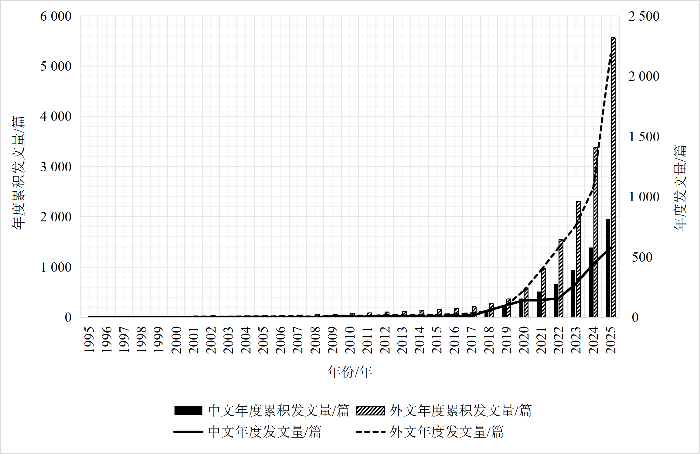
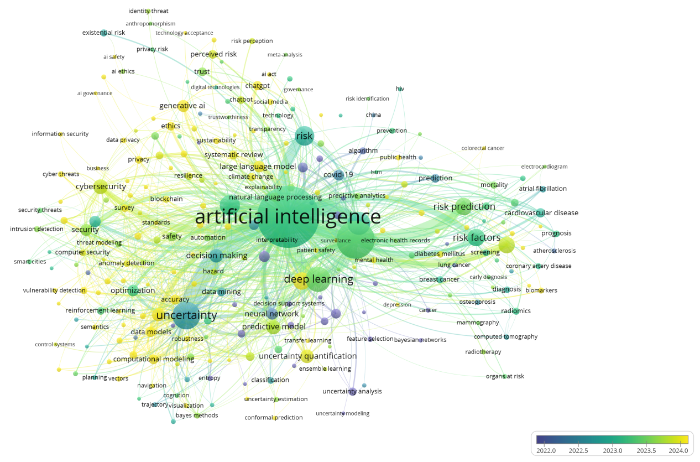
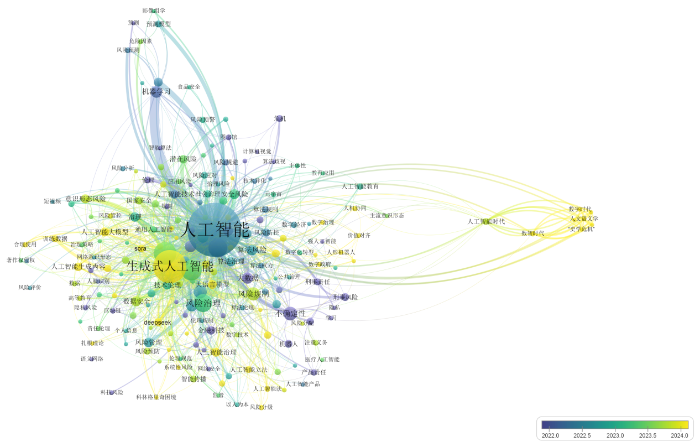
[Purpose/Significance] To summarize and sort out the thematic division and evolutionary trends in the field of artificial intelligence and risk governance research at home and abroad, clarify future research directions, and provide reference for promoting theoretical deepening and research system improvement in this field. [Method/Process] Based on the Web of Science core collection and CNKI database, 5560 foreign literature (1995-2025) and 1964 Chinese literature (2003-2025) in the field of artificial intelligence and risk governance were used as data samples. VOSviewer 1.6.20 and Cytoscape 3.10.4 software was used for scientific knowledge map analysis to clarify the overall publication trend, core research areas, thematic evolution time sequence, research feature differences, and future development path. [Result/Conclusion] The results indicate that the research topics of foreign literature can be divided into three major areas: uncertainty system risk governance driven by artificial intelligence, digital transformation risk governance driven by artificial intelligence, and personal risk governance driven by artificial intelligence. In terms of theme evolution, it follows a clear path from decentralization to integration, and from technology orientation to governance orientation. The research topics of Chinese literature include artificial intelligence algorithm risk governance, artificial intelligence strategic risk governance, and generative artificial intelligence application risk governance, following the evolutionary trend of "technology ontology governance - technology specification governance - technology application governance". There are significant differences in research orientation, research disciplines, research objects, and research paradigms between Chinese and foreign research. Future research should strengthen trustworthy AI applications, refine rational thinking cultivation, deepen interdisciplinary coupling, quantify theoretical implementation and empirical evidence, and optimize international cooperation consensus.
Key words: artificial intelligence; risk governance; thematic division; knowledge map
Li Ruiyi . Artificial Intelligence and Risk Governance: Thematic Division and Future Outlook[J]. Knowledge Management Forum, 2026 , 11(3) : 216 -232 . DOI: 10.13266/j.issn.2095-5472.2026.019
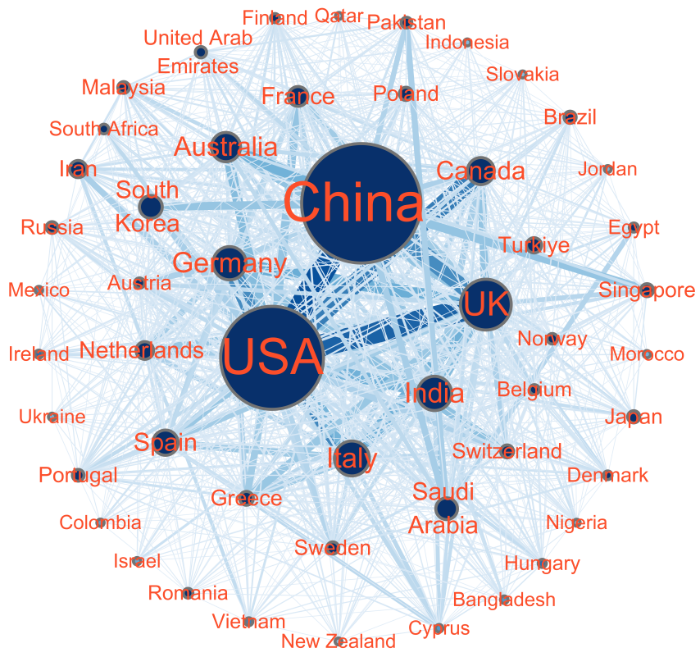
表1 核心发文国家发文量统计(前20位)Table 1 Statistics of the number of publications of core publishing countries (Top 20) |
| 序号 | 国家 | 发文量/篇 | 被引频次/次 |
|---|---|---|---|
| 1 | 中国 | 1 411 | 23 584 |
| 2 | 美国 | 1 209 | 28 516 |
| 3 | 英国 | 569 | 13 122 |
| 4 | 意大利 | 374 | 7 096 |
| 5 | 印度 | 366 | 8 159 |
| 6 | 德国 | 353 | 7 580 |
| 7 | 澳大利亚 | 305 | 7 555 |
| 8 | 加拿大 | 277 | 6 995 |
| 9 | 西班牙 | 255 | 3 449 |
| 10 | 韩国 | 226 | 4 081 |
| 11 | 沙特阿拉伯 | 212 | 3 355 |
| 12 | 法国 | 188 | 2 668 |
| 13 | 荷兰 | 162 | 2 594 |
| 14 | 伊朗 | 156 | 4 964 |
| 15 | 土耳其 | 132 | 1 424 |
| 16 | 希腊 | 115 | 2 073 |
| 17 | 波兰 | 107 | 1 276 |
| 18 | 新加坡 | 105 | 3 520 |
| 19 | 瑞士 | 104 | 2 088 |
| 20 | 瑞典 | 97 | 2 522 |
表2 1995—2025年人工智能与风险治理研究领域外文期刊分区表Table 2 Division table of foreign journals in the field of artificial intelligence and risk governance research from 1995 to 2025 |
| 分区 | 期刊载文数量/篇 | 期刊数量/种 | 分区载文总量/篇 | 占总文献量比例/% |
|---|---|---|---|---|
| 核心区 | ≥7 | 129 | 2 068 | 37.20 |
| 相关区 | 2—6 | 706 | 2 014 | 36.22 |
| 边缘区 | 1 | 1 478 | 1 478 | 26.58 |
表3 1995—2025年人工智能与风险治理研究领域外文核心区期刊分布统计(前20位)Table 3 Distribution statistics of foreign core journals in the field of artificial intelligence and risk governance research from 1995 to 2025 (Top 20) |
| 序号 | 期刊名称 | 载文量/篇 |
|---|---|---|
| 1 | IEEE Access | 212 |
| 2 | Applied Sciences-Basel | 71 |
| 3 | Sustainability | 70 |
| 4 | Sensors | 45 |
| 5 | Journal of Medical Internet Research | 43 |
| 6 | Electronics | 41 |
| 7 | AI Society | 39 |
| 8 | Diagnostics | 39 |
| 9 | Engineering Applications of Artificial Intelligence | 39 |
| 10 | Scientific Reports | 38 |
| 11 | Risk Analysis | 34 |
| 12 | Cancers | 33 |
| 13 | IEEE Transactions on Engineering Management | 31 |
| 14 | Journal of Clinical Medicine | 29 |
| 15 | Expert Systems with Applications | 27 |
| 16 | Frontiers in Public Health | 27 |
| 17 | Science of the Total Environment | 27 |
| 18 | Frontiers in Artificial Intelligence | 25 |
| 19 | IEEE Transactions on Intelligent Transportation Systems | 24 |
| 20 | Technological Forecasting and Social Change | 24 |
表4 2003—2025年人工智能与风险治理研究领域中文期刊分区表Table 4 Division table of Chinese journals in the field of artificial intelligence and risk governance research from 2003 to 2025 |
| 分区 | 期刊载文数量/篇 | 期刊数量/种 | 分区载文总量/篇 | 占总文献量比例/% |
|---|---|---|---|---|
| 核心区 | ≥8 | 57 | 692 | 35.20 |
| 相关区 | 3—7 | 177 | 766 | 39.00 |
| 边缘区 | 1—2 | 378 | 506 | 25.80 |
表5 2003—2025年人工智能与风险治理研究领域中文核心区期刊分布统计(前20位)Table 5 Distribution statistics of Chinese core journals in the field of artificial intelligence and risk governance research from 2003 to 2025 (Top 20) |
| 序号 | 期刊名称 | 载文量/篇 |
|---|---|---|
| 1 | 情报杂志 | 35 |
| 2 | 电子政务 | 29 |
| 3 | 东方法学 | 21 |
| 4 | 人民论坛·学术前沿 | 21 |
| 5 | 自然辩证法研究 | 21 |
| 6 | 科学学研究 | 19 |
| 7 | 情报理论与实践 | 17 |
| 8 | 科技管理研究 | 17 |
| 9 | 中国电化教育 | 16 |
| 10 | 电化教育研究 | 16 |
| 11 | 中国出版 | 15 |
| 12 | 比较法研究 | 15 |
| 13 | 图书与情报 | 13 |
| 14 | 法律科学(西北政法大学学报) | 13 |
| 15 | 现代教育技术 | 13 |
| 16 | 现代远距离教育 | 13 |
| 17 | 中国科技论坛 | 12 |
| 18 | 出版发行研究 | 12 |
| 19 | 出版广角 | 12 |
| 20 | 大连理工大学学报(社会科学版) | 12 |
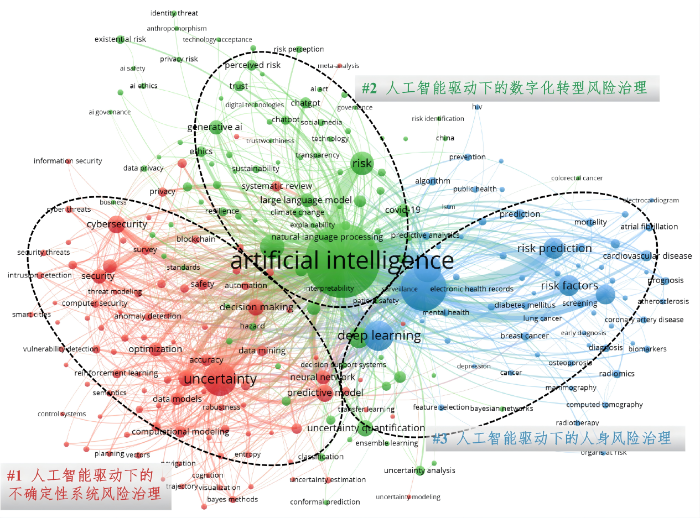
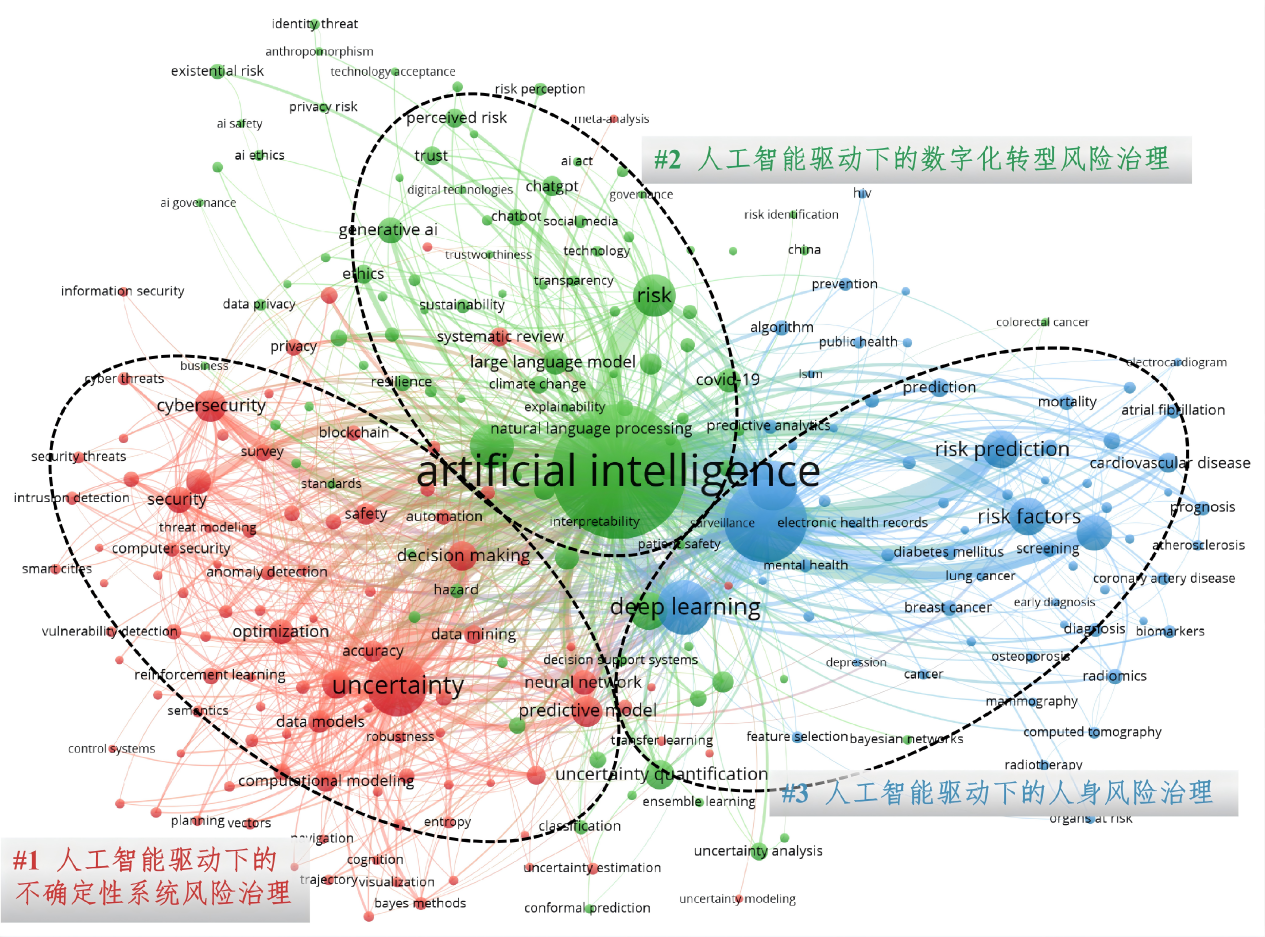
图4 外文文献关键词共现聚类图谱(关键词词频≥12,共有节点263个,连线6 111条)Figure 4 Keyword co-occurrence clustering map of foreign literature(The keyword frequency is ≥12, with a total of 263 nodes and 6 111 connections) |
表6 外文文献主题聚类结果Table 6 Theme clustering results of foreign literature |
| 聚类序号 | 主题归纳 | 代表性关键词(词频) |
|---|---|---|
| Cluster1 | 人工智能驱动下的不确定性系统风险治理 | uncertainty(544)、cybersecurity(156)、predictive model(145)、decision making(131)、training(124)、security(103)、internet of things(95)、optimization(95)、neural network(93)、data models(79)、computational modeling(66)、data mining(55)、feature extraction(55)、reinforcement learning(45)、real-time systems(38)、threat detection(38)、blockchain(37)、federated learning(36)、anomaly detection(30)、digital twin(30)、robustness(29)、supply chain(29)、cyber threats(28)、threat assessment(28)、bayes methods(27)、industry 4.0(22)、uncertainty estimation(22)、autonomous vehicles(20)、complexity theory(17)、malware(17)、smart cities(17)、cloud computing(16)、transfer learning(16)、fuzzy sets(15)、vulnerability assessment(15)、cyber-physical systems(13)、data augmentation(13)、knowledge representation(13)、stochastic processes(13)、drones(12)、risk evaluation(12)、uncertainty modeling(12) |
| Cluster2 | 人工智能驱动下的数字化转型风险治理 | artificial intelligence(2677)、risk management(281)、risk(273)、explainable AI(215)、generative AI(105)、large language model(90)、risk analysis(86)、big data(72)、artificial neural network(71)、natural language processing(64)、ChatGPT(63)、ethics(55)、climate change(46)、credit risk(40)、existential risk(37)、natural hazard(32)、decision support systems(23)、digital transformation(23)、data privacy(21)、AI ethics(20)、AI risks(18)、finance(18)、financial risk(17)、AI Act(16)、geopolitical risk(16)、trustworthy AI(16)、bayesian networks(15)、GIS(Geographic Information System, 14)、risk identification(13)、AI governance(12)、AI safety(12)、supply chain risk management(12) |
| Cluster3 | 人工智能驱动下的人身风险治理 | machine learning(1023)、deep learning(430)、risk assessment(367)、risk factors(218)、risk prediction(216)、risk stratification(193)、cardiovascular disease(64)、radiomics(38)、precision medicine(37)、breast cancer(36)、digital health(34)、diabetes mellitus(33)、clinical decision support(26)、mental health(26)、osteoporosis(24)、public health(24)、cancer(18)、epidemiology(18)、radiotherapy(18)、organs at risk(17)、stroke(16)、electronic health records(15)、lung cancer(15)、acute kidney injury(13)、electrocardiogram(13)、prostate cancer(13)、hypertension(12)、telemedicine(12) |
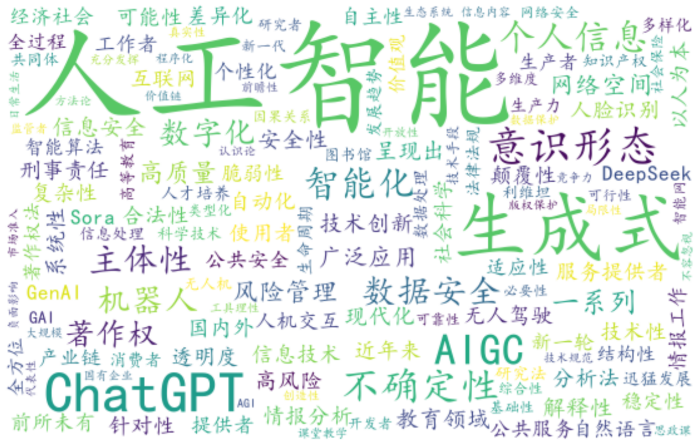
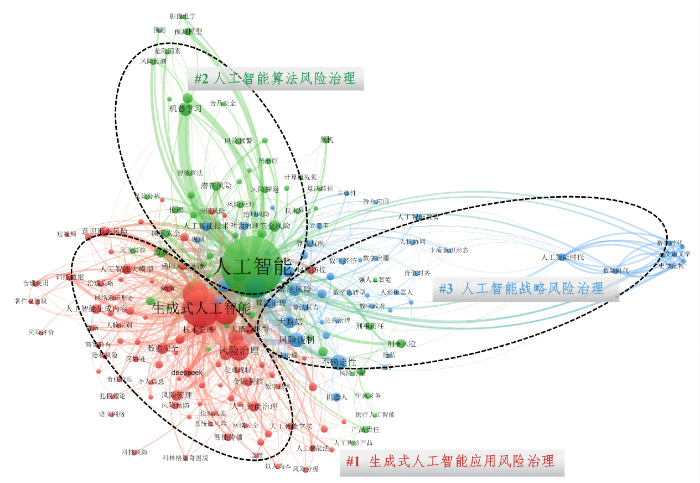
图6 中文文献关键词共现聚类图谱(词频≥5,共有节点199个,连线1 557条)Figure 6 Keyword co-occurrence clustering map of Chinese literature(the keyword frequency is ≥5, with a total of 199 nodes and 1 557 connections) |
表7 中文文献主题聚类结果Table 7 Theme clustering results of Chinese literature |
| 聚类序号 | 主题归纳 | 代表性关键词(词频) |
|---|---|---|
| Cluster1 | 生成式人工智能应用风险治理 | 生成式人工智能(307)、ChatGPT(141)、伦理风险(121)、风险治理(89)、技术风险(48)、数据安全(30)、风险管理(27)、人工智能大模型(24)、人工智能治理(22)、意识形态风险(22)、人工智能生成内容(20)、DeepSeek(19)、风险防控(19)、Sora(17)、风险识别(16)、人工智能立法(14)、风险预防(14)、风险感知(13)、人工智能风险(11)、人工智能法(10)、应用风险(10)、人机关系(9)、信息安全(9)、道德风险(9)、隐私风险(8)、风险分级(8)、风险控制(8)、侵权风险(6) |
| Cluster2 | 人工智能算法风险治理 | 人工智能(809)、机器学习(39)、风险评估(34)、安全风险(28)、治理(26)、深度学习(24)、潜在风险(21)、数据风险(15)、风险应对(14)、风险规避(12)、风险预警(12)、算法黑箱(11)、风险预测(10)、技术异化(8)、深度伪造(8)、风险分析(8)、风险管控(8)、智能算法(6)、算法歧视(6)、风险分配(5) |
| Cluster3 | 人工智能战略风险治理 | 风险(99)、不确定性(54)、风险规制(48)、算法(37)、大数据(34)、法律规制(33)、社会风险(29)、法律风险(25)、人工智能技术(21)、敏捷治理(19)、社会治理(15)、人工智能时代(14)、数字经济(11)、数智时代(9)、元宇宙(8)、数字化转型(8)、数字政府(7)、数字治理(7)、公共治理(5)、自动化行政(5) |
| [1] |
郎平.全球人工智能治理的进展、挑战与中国角色[J]. 当代世界, 2025(5): 16-22.
|
| [2] |
|
| [3] |
|
| [4] |
|
| [5] |
|
| [6] |
|
| [7] |
|
| [8] |
|
| [9] |
|
| [10] |
|
| [11] |
|
| [12] |
|
| [13] |
|
| [14] |
|
| [15] |
|
| [16] |
|
| [17] |
|
| [18] |
|
| [19] |
|
| [20] |
|
| [21] |
|
| [22] |
|
| [23] |
|
| [24] |
|
| [25] |
|
| [26] |
|
| [27] |
|
| [28] |
|
| [29] |
|
| [30] |
|
| [31] |
|
| [32] |
|
| [33] |
|
| [34] |
|
| [35] |
|
| [36] |
|
| [37] |
|
| [38] |
|
| [39] |
|
| [40] |
|
| [41] |
朴毅, 叶斌, 徐飞.从算法分析看人工智能的价值非中立性及其应对[J]. 科技管理研究, 2020, 40(24): 245-251.
|
| [42] |
岳平, 苗越.社会治理:人工智能时代算法偏见的问题与规制[J]. 上海大学学报(社会科学版), 2021, 38(6): 1-11.
|
| [43] |
王晰巍, 吴彦婷, 李玥琪.社交机器人驱动的信息迷雾:传播机理、社会风险与治理路径[J]. 情报理论与实践, 2025, 48(3): 41-51.
|
| [44] |
程雪军.金融科技公司算法黑箱风险的生成机制与多维治理[J]. 金融论坛, 2023, 28(8): 25-34, 46.
|
| [45] |
张轩语, 杨柳新.数字经济促进共同富裕的机制、困境与出路[J]. 理论探讨, 2023(6): 149-154.
|
| [46] |
侯东德, 周莉欣.人工智能发展中的经济风险及制度应对[J]. 安徽大学学报(哲学社会科学版), 2022, 46(2): 69-76.
|
| [47] |
徐智华, 解彩霞.人工智能时代失业劳动者权利保护:问题与路径[J]. 经济体制改革, 2022(1): 180-187.
|
| [48] |
董青岭.人工智能“武器化”与数智时代的国家安全[J]. 人民论坛·学术前沿, 2025(9): 88-94.
|
| [49] |
王旭, 谢方, 邱均平.全球人工智能治理研究:进展、挑战与策略[J]. 图书馆论坛, 2025, 45(8): 86-96.
|
| [50] |
林曦.人工智能“幻觉”的存在主义阐释[J]. 社会科学辑刊, 2025(2): 81-91.
|
| [51] |
杜艳.新时代人工智能赋能网络意识形态治理的理论基础、现实样态与实践要略[J]. 重庆社会科学, 2023(12): 115-127.
|
| [52] |
张宁, 高鹏程.生成式人工智能情感模拟的伦理风险与治理路径:基于技术—社会互构理论框架的分析[J]. 科学决策, 2025(2): 123-134.
|
| [53] |
郑煌杰.生成式人工智能的伦理风险与可信治理路径研究[J]. 科技进步与对策, 2025, 42(12): 38-48.
|
| [54] |
刘云开.人工智能生成内容的著作权侵权风险与侵权责任分配[J]. 西安交通大学学报(社会科学版), 2024, 44(6): 166-177.
|
| [55] |
韩雨潇.人工智能大模型训练数据的版权风险与化解路径[J]. 中国出版, 2025(2): 54-59.
|
| [56] |
李琳.元宇宙赋能在线信息素养教育高质量发展的现实挑战与纾解路径[J]. 知识管理论坛, 2024, 9(4): 394-403.
|
/
| 〈 |
|
〉 |