PDF(2574 KB)

Research on Innovation of Library Information Resource Services Addressing Medical Students' Needs in the Context of AIGC and Modern Medical Science
Liu Mimi, Cao Zhenyu, Huang Cheng, Lü Yalan, Wang Haolin, Yang Meijie, Hou Xiaorong
Knowledge Management Forum ›› 2025, Vol. 10 ›› Issue (6) : 565-578.
PDF(2574 KB)
 PDF(2574 KB)
Research on Innovation of Library Information Resource Services Addressing Medical Students' Needs in the Context of AIGC and Modern Medical Science
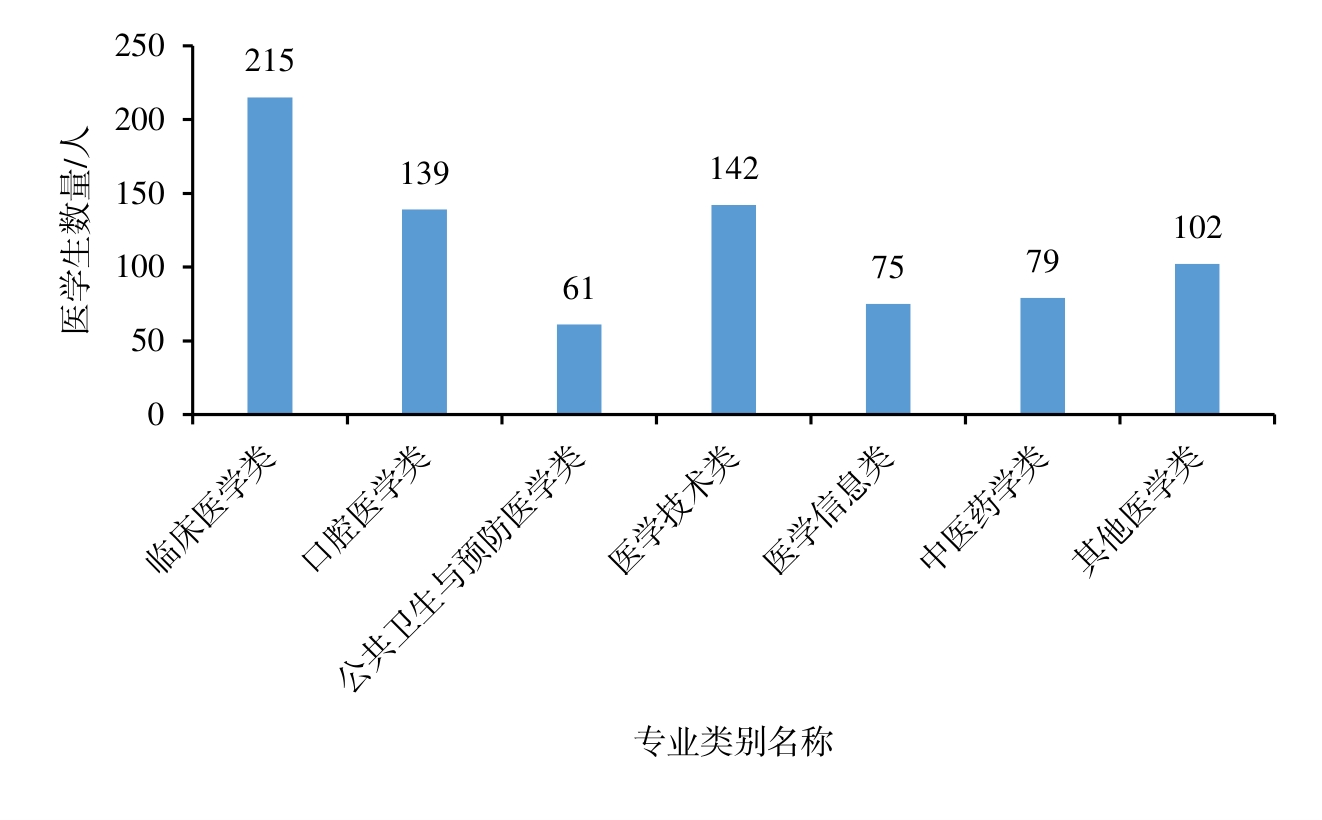
[Purpose/Significance] Against the backdrop of the widespread application of Generative Artificial Intelligence (AIGC) and the interdisciplinary convergence of new medical science, this study analyzed medical students' actual needs for library information resource services and put forward targeted suggestions for the innovation of library information resource services. It aimed to provide countermeasures and suggestions for medical university libraries to carry out demand-oriented, AIGC-based optimization and innovation of interdisciplinary medical information resource services. [Method/Process] By designing a questionnaire, this study surveyed and analyzed the demands of 813 medical students for medical information resource services provided by medical university libraries, as well as their practices and competencies in accessing and utilizing medical information resources. [Result/Conclusion] Analysis of the survey results found that in the context of AIGC and the interdisciplinary convergence of modern medical science, medical students across different academic years have increasingly diversified demands for medical information resource services, with an urgent need for integrated interdisciplinary resources and intelligent services. However, existing interdisciplinary information resources in medical university libraries are scattered, and intelligent services are insufficient. Simultaneously, medical students' abilities in accessing and utilizing information resources—including retrieving, reading, and managing them—are relatively weak. Furthermore, while their demand for the application of emerging technologies like AIGC is high, their understanding of these technologies is inadequate. Based on the above needs and problems, this study proposes utilizing AIGC to optimize and innovate interdisciplinary medical information resource services in medical university libraries, and conducting multi-tiered information literacy training and education based on AIGC to enhance the abilities and efficiency of medical students in accessing and utilizing interdisciplinary information resources.
AIGC / generative artificial intelligence / information resource services / medical students / library
| [1] |
黄崑, 赵晨, 李鸿, 等. 科研情境下大学生AIGC工具使用意图模型构建研究[J]. 图书情报工作, 2025, 69(7): 53-66.
|
| [2] |
田原, 郭娜.新医科视域下医学院校信息素养教育改革路径探索[J]. 中国医药导报, 2025, 22(10): 92-97.
|
| [3] |
张冬梅, 刘红芝.新医科背景下医学院校图书馆信息素养教育探究[J]. 江苏科技信息, 2024, 41(3): 68-71.
|
| [4] |
宰冰欣, 叶兰, 林伟明, 等. AIGC背景下国内外高校图书馆AI素养教育实践模式研究——基于对60所世界一流高校图书馆的调研[J]. 图书馆杂志, 2024, 43(12): 89-102.
|
| [5] |
刘琼, 刘桂锋, 卢章平, 等. 谋求与突破:ChatGPT对信息资源管理学科的影响与启示[J]. 信息资源管理学报, 2023, 13(5): 73-78.
|
| [6] |
|
| [7] |
张智雄, 于改红, 刘熠 等. ChatGPT对文献情报工作的影响[J]. 数据分析与知识发现, 2023, 7(3): 36-42.
|
| [8] |
丁文婧.ChatGPT影响下医学图书馆健康信息服务的挑战与应对[J]. 大学图书情报学刊, 2023, 41(5): 3-8.
|
| [9] |
郭亚军, 郭一若, 李帅, 等. ChatGPT赋能图书馆智慧服务:特征、场景与路径[J]. 图书馆建设, 2023(2): 30-39, 78.
|
| [10] |
张晓林, 梁娜.知识的智慧化、智慧的场景化、智能的泛在化——探索智慧知识服务的逻辑框架[J]. 中国图书馆学报, 2023, 49(3): 4-18.
|
| [11] |
李巍, 李树元.基于大语言模型和知识图谱的数字孪生流域知识平台设计[J]. 海河水利, 2023(12): 75-78.
|
| [12] |
|
| [13] |
刘逸伦, 黄微, 张晓君, 等. AIGC赋能的科技情报智能服务:特征、场景与框架[J]. 现代情报, 2023, 43(12): 88-99.
|
| [14] |
厉晓婷, 王传领.人工智能时代用户媒介素养的养成:机遇、挑战及应对策略[J]. 中国编辑, 2023(10): 74-78.
|
| [15] |
熊枫, 宋国强.基于LibQUAL模型的医学高校图书馆服务质量评价研究[J]. 中华医学图书情报杂志, 2020, 29(2): 46-51.
|
| [16] |
石丽红.高校用户电子资源使用与需求调查分析——以燕山大学为例[J]. 江苏科技信息, 2025, 42(4): 131-136.
|
| [17] |
黄成立.大学生AIGC利用现状与高校图书馆服务的实证分析[J]. 情报探索, 2025(2): 119-126.
|
| [18] |
王雅静.大学生信息素养的群体差异性分析[J]. 情报探索, 2018(12): 79-86.
|
| [19] |
徐俊婷.探索生成式AI在辅助大学生利用图书馆数字资源中的作用与挑战[J]. 时代青年, 2025(7): 4-6.
|
| [20] |
陈晓娜.多学科背景下高校学生信息素养的评价指标体系研究[J]. 江苏科技信息, 2020, 37(12): 72-74.
|
| [21] |
高冰洁, 姚晓霞. 高校图书馆文献信息资源保障体系发展的机遇、挑战与思考[J]. 图书情报工作, 2024, 68(6): 21-29.
|
| [22] |
丁遒劲, 苏静. 面向生成式人工智能(AIGC)的图书馆信息资源建设优化策略研究[J]. 图书情报工作, 2024, 68(18): 23-31.
|
| [23] |
马坤坤, 朱玲玲, 茆意宏.学术平台智慧阅读服务现状剖析与AIGC技术赋能路径[J]. 图书情报工作, 2025, 69(2): 45-55.
|
| [24] |
朱玉萍, 张伟.AIGC赋能图书馆阅读障碍服务研究[J]. 图书馆学刊, 2025, 47(2): 15-19.
|
| [25] |
金越凤, 范宜峰, 金文忠.AIGC视域下医院图书馆知识服务转型场景与路径探究[J]. 医学信息学杂志, 2025, 46(4): 86-91.
|
| [26] |
刘金奎, 曾山晋.AIGC技术赋能:图书馆学科咨询的深度融合与服务创新[J]. 文化创新比较研究, 2025, 9(3): 163-166.
|
| [27] |
孙尚锋, 沈宁, 刘琳, 等.生成式AI时代图书馆智慧阅读推广模式研究[J]. 图书馆理论与实践, 2024(4): 83-88.
|
| [28] |
张静蓓, 虞晨琳, 蔡迎春, 等.面向科研场景的AI素养教育内容体系构建研究[J/OL]. 图书馆杂志[2025-06-12]. http://kns.cnki.net/kcms/detail/31.1108.G2.20250218.1330.002.html
|
| [29] |
万益嘉, 顾立平.研究生使用AIGC工具的行为动机与影响因素:基于问卷调查的实证分析[J]. 农业图书情报学报, 2024, 36(10): 4-22.
|
| [30] |
罗国锋, 易童, 闫舟舟.面向AIGC应用的高校图书馆批判性信息素养教育研究[J]. 农业图书情报学报, 2025, 37(1): 47-58.
|
刘迷迷:调查问卷设计,数据分析,论文撰写和修改;
曹振宇:调查问卷设计,调查实施,数据分析和论文撰写;
黄 成:调查问卷设计,对策建议研究和论文修改;
吕亚兰:调查问卷设计,数据分析和论文修改;
王浩林:调查问卷设计,数据分析和论文修改;
杨美洁:调查问卷设计,数据分析和论文修改;
侯筱蓉:调查问卷设计,数据分析,对策建议研究和论文修改。
/
| 〈 |
|
〉 |